

In today’s highly competitive B2B landscape, simply generating leads is no longer enough. Businesses need a strategic approach that builds awareness, nurtures prospects, and drives long-term pipeline growth. This is where B2B demand generation plays a crucial role.
Demand generation focuses on creating interest in your products or services while guiding potential buyers through the entire purchasing journey. As we move into 2026, companies that invest in strong demand generation strategies are the ones consistently building predictable revenue pipelines.
What Is B2B Demand Generation?
B2B demand generation is a marketing strategy designed to create awareness, interest, and engagement for a company’s products or services among potential business buyers.marketing strategy designed to create awareness, interest, and engagement for a company’s products or services among potential busi
Unlike traditional lead generation that focuses mainly on capturing contact information, demand generation aims to educate prospects, build trust, and create genuine buying intent.
It combines multiple marketing and sales activities such as:
- Content marketing
- Email marketing
- Account-based marketing (ABM)
- SEO and organic traffic strategies
- Paid media campaigns
- Webinars and virtual events
- Marketing automation and nurturing
The goal is to guide prospects through every stage of the buyer journey — from awareness to conversion.
Why Demand Generation Matters in 2026
The modern B2B buyer is more informed and independent than ever before. Decision-makers conduct extensive research before even speaking to a sales representative.
Demand generation helps businesses:
- Build brand authority in their industry
- Attract high-quality prospects
- Educate buyers during the research phase
- Create predictable sales pipelines
- Improve long-term customer relationships
Instead of chasing leads, demand generation helps companies attract the right audience and convert them over time.
Demand Generation vs. Lead Generation
While these terms are often used interchangeably, they serve different purposes.
Demand Generation
- Focuses on building awareness and interest
- Targets the entire buyer journey
- Creates long-term brand engagement
Lead Generation
- Focuses on capturing contact information
- Typically occurs after demand is created
- Supports sales outreach efforts
In simple terms, demand generation creates interest, while lead generation captures that interest.
Key Components of a Successful B2B Demand Generation Strategy
1. Content Marketing
High-quality content such as blogs, whitepapers, case studies, and reports helps educate prospects and establish thought leadership.
2. SEO and Organic Visibility
Search engine optimization ensures your brand appears when potential buyers are actively searching for solutions.
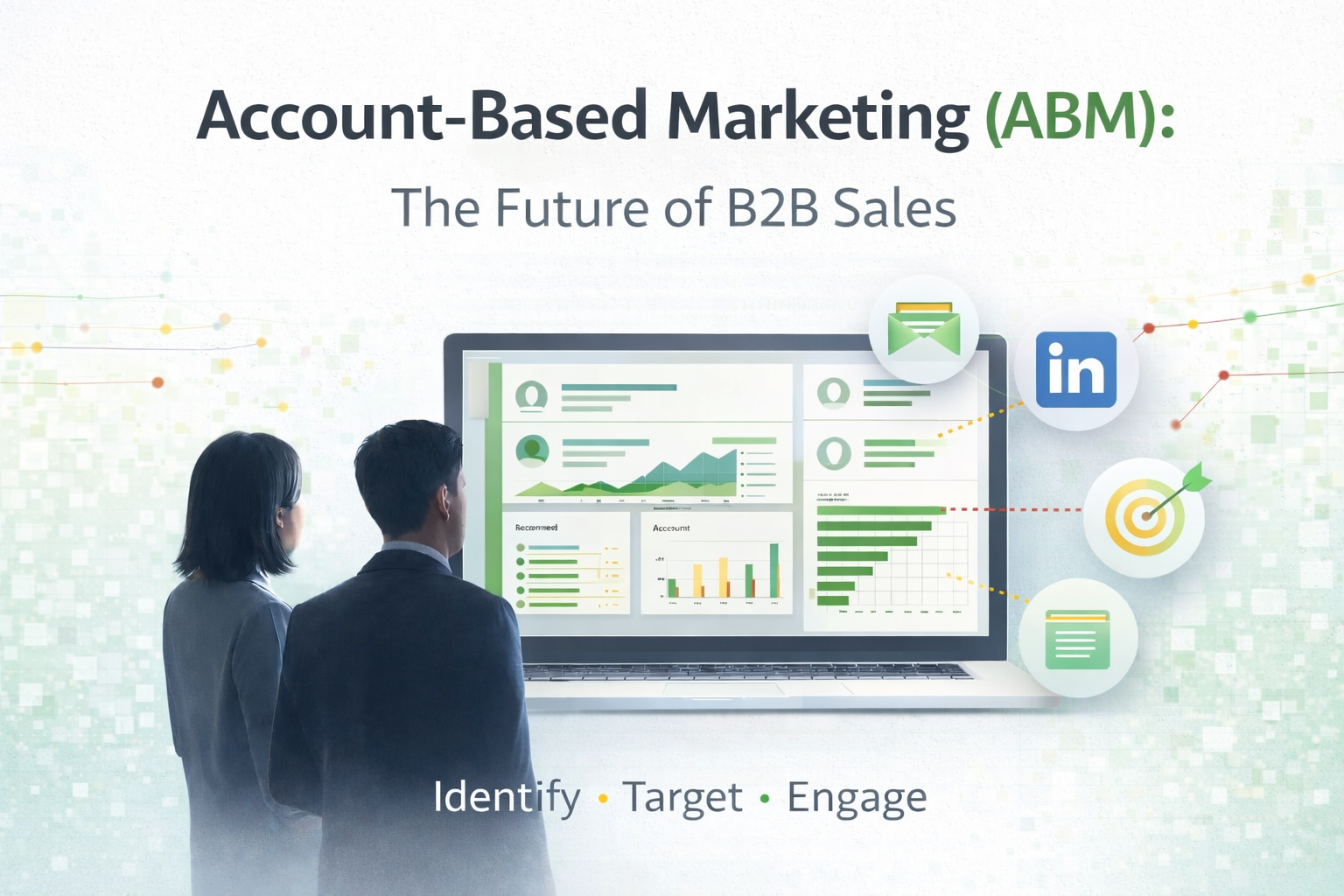
3. Account-Based Marketing (ABM)
ABM focuses on targeting high-value accounts with personalized campaigns that align with their business challenges.
4. Marketing Automation and Lead Nurturing
Automation tools help nurture prospects through email campaigns, targeted content, and personalized engagement.
5. Data and Analytics
Tracking campaign performance helps marketers optimize strategies and focus on channels that deliver the highest ROI.
Demand Generation Channels That Drive Results
Successful demand generation strategies typically combine multiple channels, including:
- Organic search (SEO)
- LinkedIn and social media marketing
- Email marketing campaigns
- Paid advertising and retargeting
- Webinars and virtual events
- Industry reports and gated content
The key is maintaining consistent messaging across channels to build trust and authority.
How Demand Generation Supports Sales Teams
Demand generation doesn’t just benefit marketing teams — it also empowers sales teams with higher-quality opportunities.
When done correctly, demand generation:
- Warms up prospects before sales outreach
- Provides valuable insights into buyer intent
- Shortens sales cycles
- Improves conversion rates
Sales teams can focus on closing deals instead of chasing cold leads.
Demand Generation Trends for 2026
As B2B marketing continues to evolve, several trends are shaping demand generation strategies:
AI-powered personalization
Artificial intelligence enables hyper-personalized content and outreach at scale.
Intent data-driven targeting
Marketers can identify companies actively researching solutions and target them more effectively.
Video and interactive content
Engaging formats such as webinars, podcasts, and interactive tools drive stronger engagement.
Closer marketing and sales alignment
Revenue teams are working more closely together to create unified pipeline strategies.
Who Should Invest in Demand Generation?
Demand generation is essential for:
- B2B SaaS companies
- Technology and IT service providers
- Consulting and professional services firms
- Companies with long sales cycles
Any organization looking to build a consistent, scalable revenue pipeline should invest in demand generation.
Conclusion
B2B demand generation is no longer just a marketing tactic — it’s a strategic approach to building long-term growth. By focusing on awareness, education, and engagement, businesses can attract the right audience and guide them through the entire buying journey.
As we move into 2026, companies that prioritize demand generation will gain a strong competitive advantage through better pipeline visibility, stronger brand authority, and higher conversion rates.