


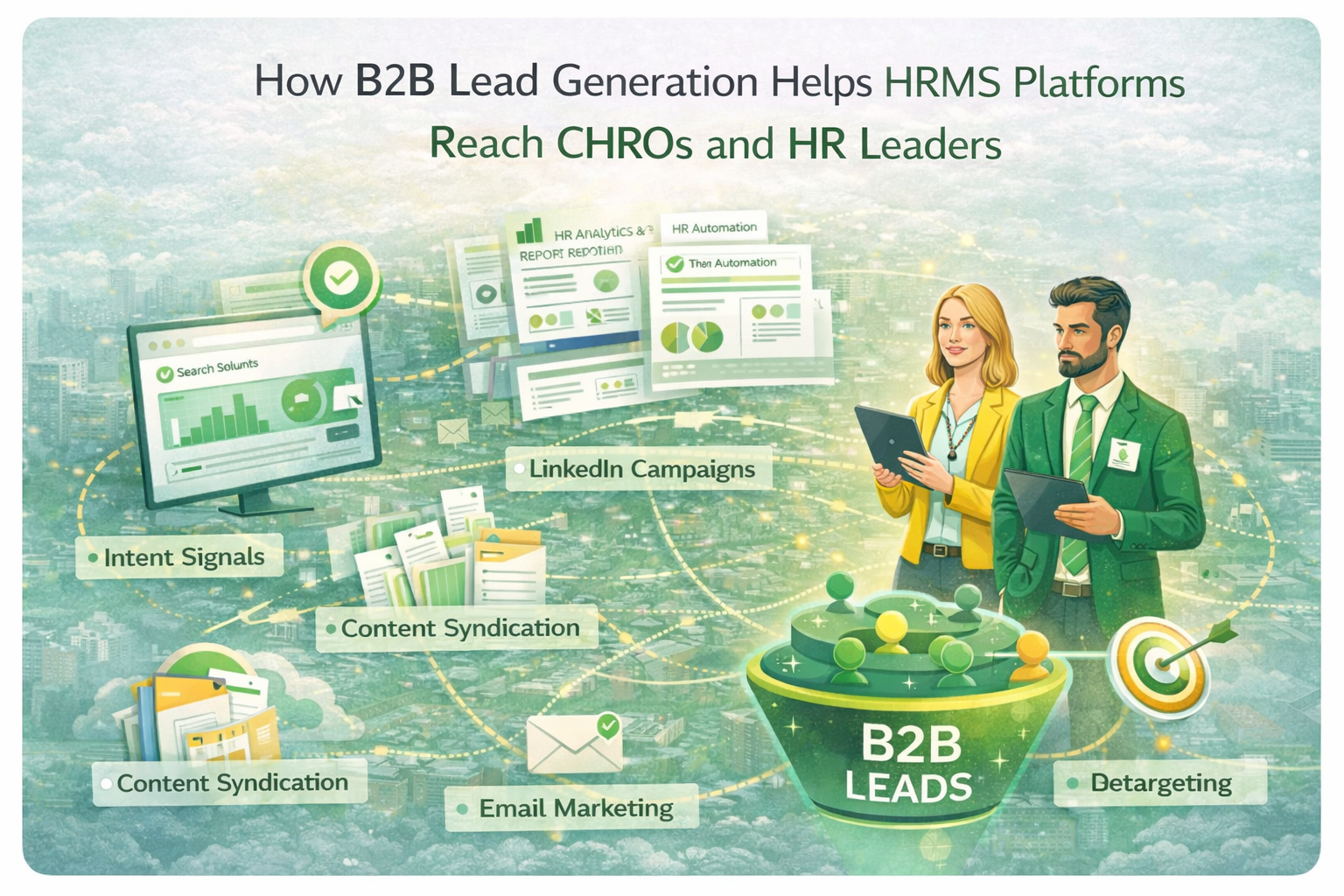
Reaching senior HR decision-makers such as CHROs and HR leaders is one of the biggest challenges for HRMS platforms. These professionals are responsible for strategic workforce decisions and are highly selective when evaluating new solutions.
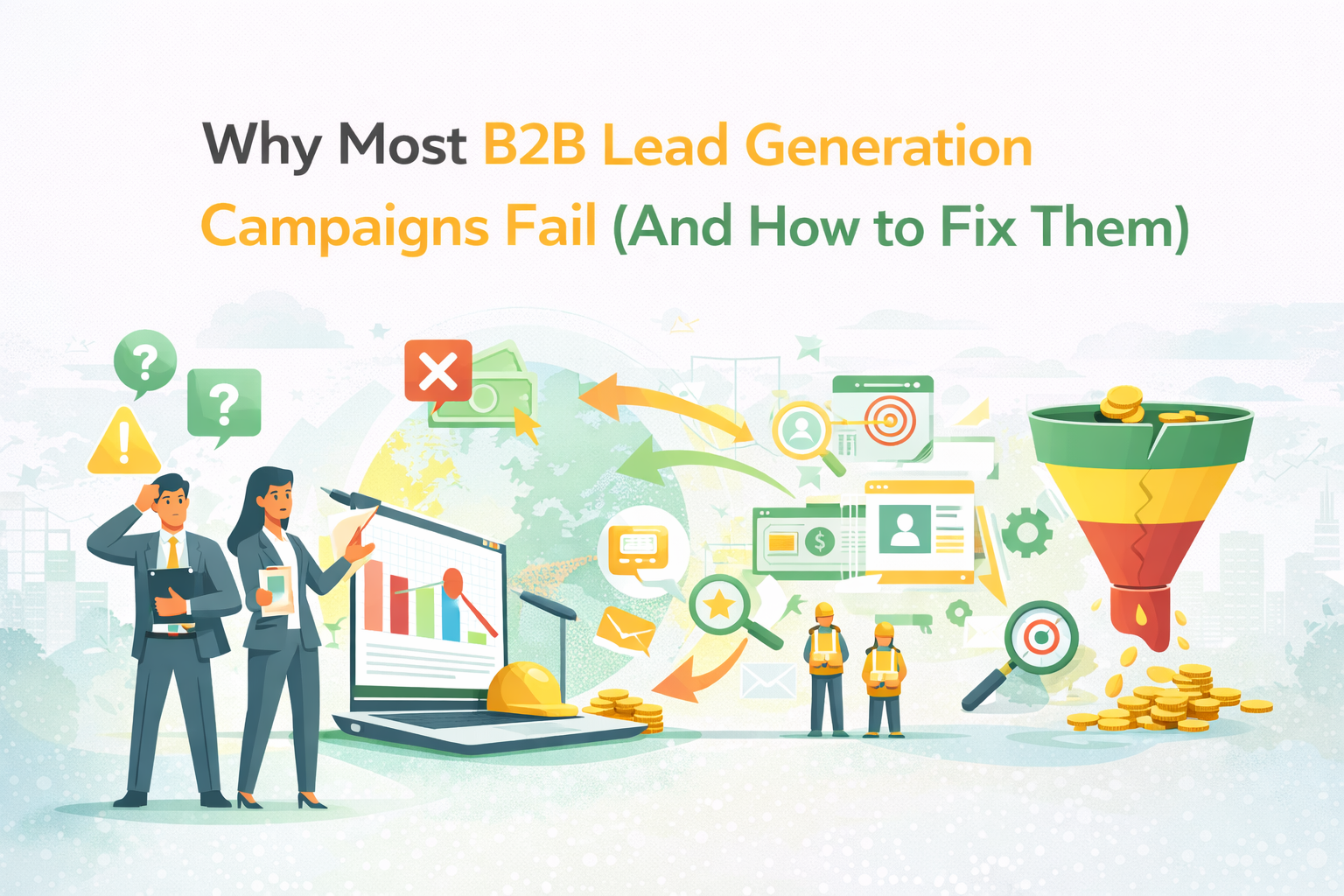
Traditional marketing approaches often fail to engage them effectively. This is where B2B lead generation plays a critical role—helping HRMS platforms connect with the right audience, at the right time, with the right message.
Why CHROs and HR Leaders Are Difficult to Engage
CHROs and senior HR leaders focus on:
- Workforce strategy and planning
- Employee experience and retention
- Compliance and risk management
- Data-driven decision-making
They are:
- Time-constrained
- Highly informed
- Focused on business outcomes rather than features
To capture their attention, messaging must be relevant, insightful, and aligned with their priorities.
Why B2B Lead Generation Is Essential for HRMS Growth
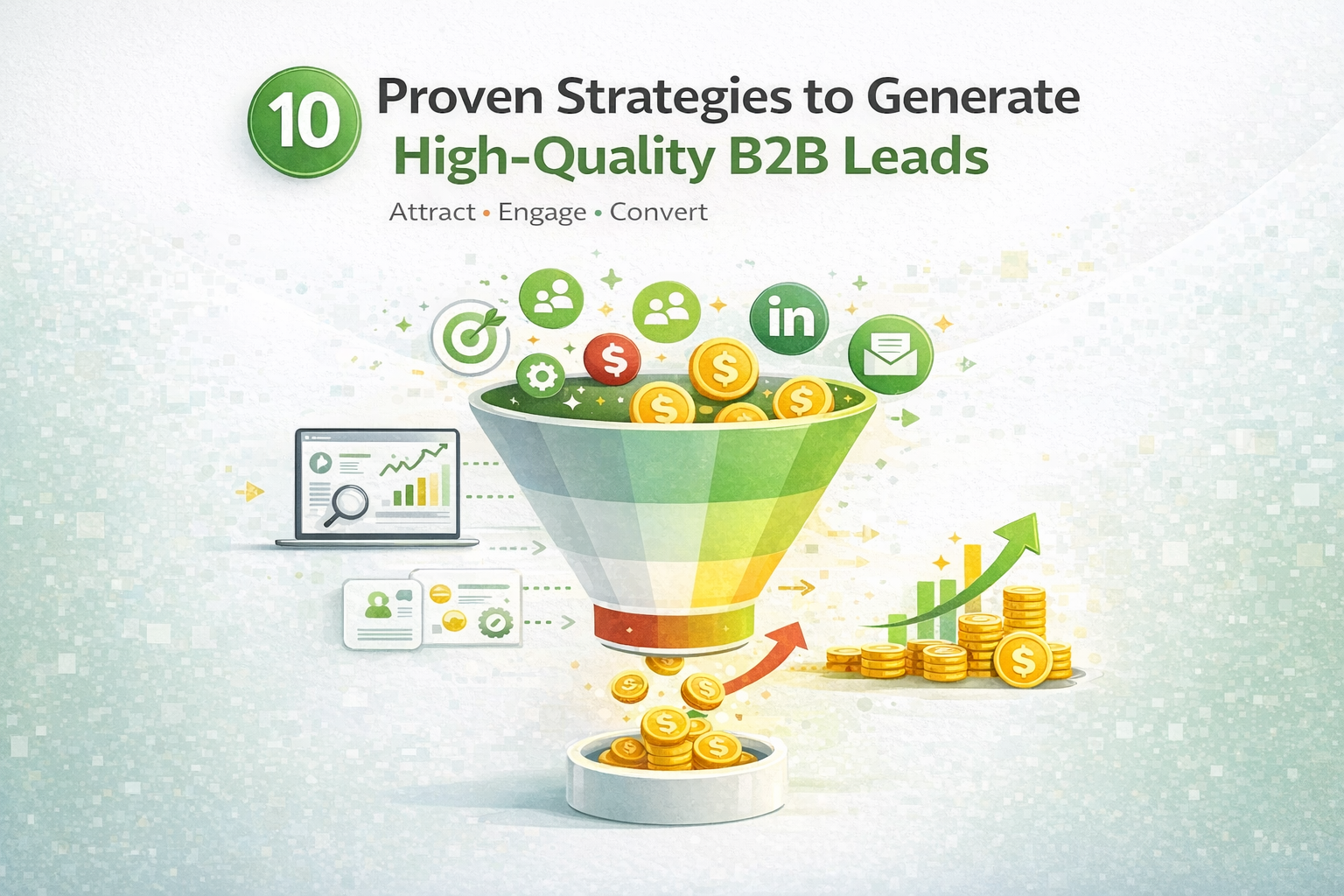
B2B lead generation enables HRMS platforms to:
- Target specific HR roles and seniority levels
- Reach decision-makers across industries
- Identify prospects actively exploring HR solutions
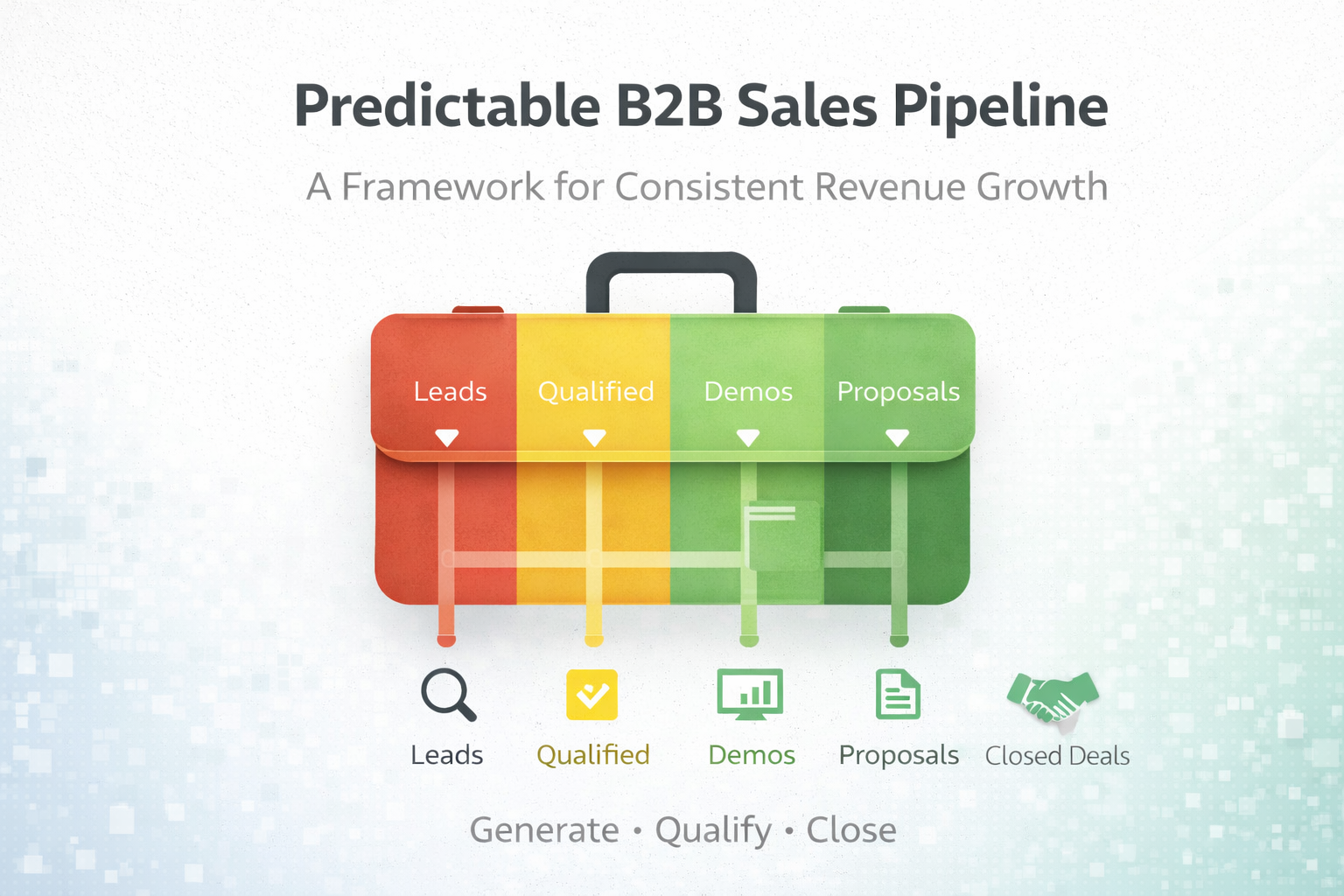
- Build a pipeline of qualified opportunities
Instead of broad outreach, it focuses on precision targeting and engagement.
1. Target the Right HR Personas
Effective lead generation begins with identifying key stakeholders.
For HRMS platforms, these include:
- CHROs
- HR Directors and Heads
- HR Operations and People Leaders
Each persona has distinct priorities:
- CHROs focus on strategy and business impact
- HR leaders focus on process efficiency and employee engagement
Tailoring campaigns to these roles improves engagement and lead quality.
2. Use Intent Signals to Identify Active Buyers
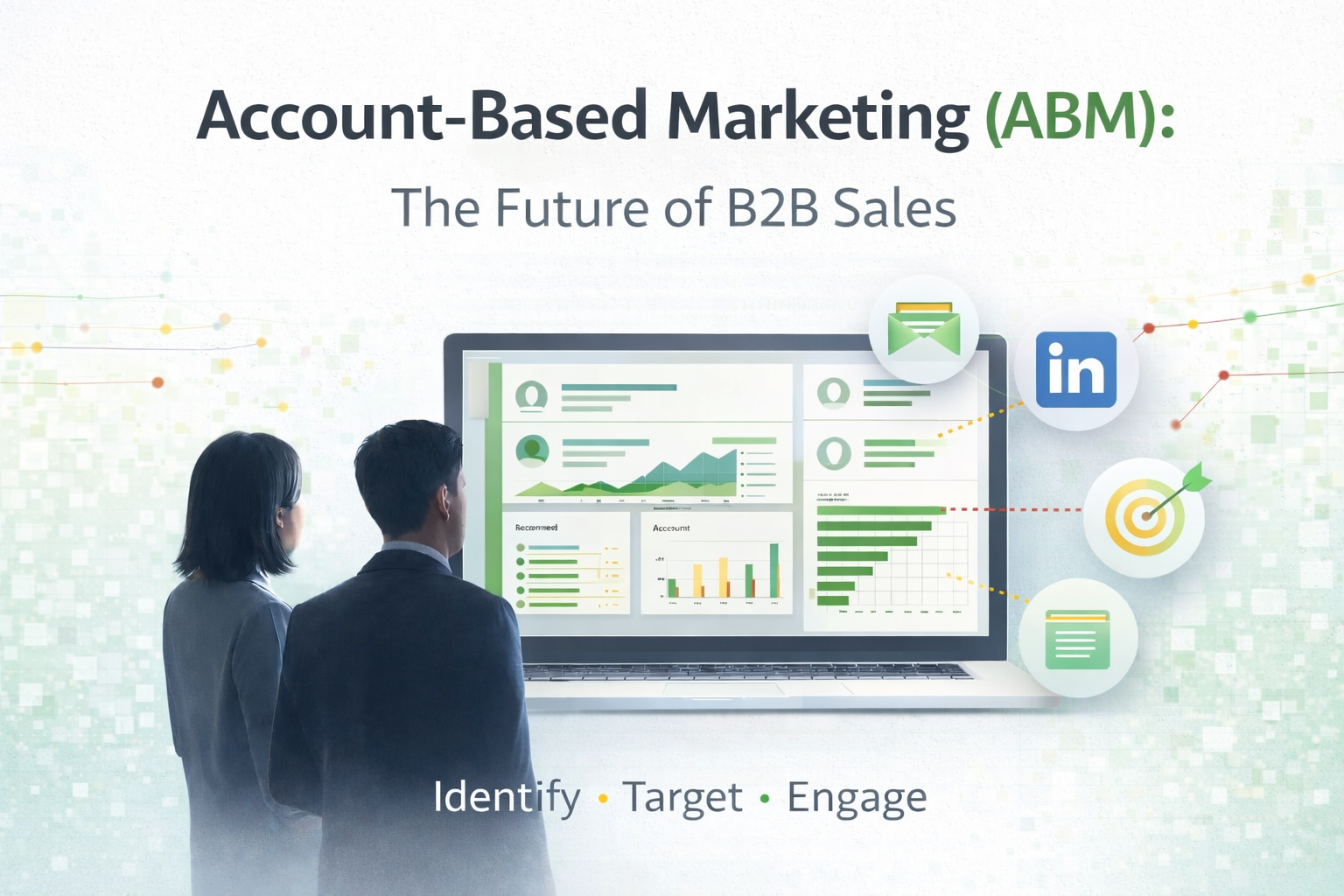
Intent-based targeting helps identify organizations already evaluating HR solutions.
Key signals include:
- Searches like “best HRMS software” or “HR automation tools”
- Engagement with payroll, compliance, or employee experience content
- Visits to product, pricing, or comparison pages
Focusing on these signals ensures outreach is directed toward high-intent prospects.
3. Create Content That Solves HR Challenges
HR leaders engage with content that addresses real problems.
Focus on topics such as:
- Automating HR processes and reducing manual work
- Improving employee experience and retention
- Ensuring compliance and accuracy
- Leveraging HR analytics for decision-making
Effective content formats:
- Blogs and guides
- Case studies with measurable outcomes
- HR trend reports
- ROI-focused content
This builds credibility and attracts decision-makers in the research phase.
4. Leverage Multi-Channel Lead Generation Strategies
HR decision-makers interact across multiple platforms.
A multi-channel approach ensures consistent engagement:
- Search marketing to capture high-intent traffic
- LinkedIn campaigns for role-based targeting
- Email marketing for nurturing leads
- Content syndication to expand reach
This increases visibility and improves the chances of engagement.
5. Personalize Messaging for Senior HR Leaders
Generic messaging does not resonate with CHROs.
Your communication should focus on:
- Strategic workforce outcomes
- ROI and cost optimization
- Employee experience improvements
- Scalability and long-term impact
Personalized messaging demonstrates relevance and builds trust.
6. Optimize Conversion Paths for Decision-Makers
Once HR leaders engage, the next step is conversion.
Ensure your landing pages include:
- Clear value propositions
- Industry-specific use cases
- Customer success stories
- Strong CTAs such as demos or consultations
Providing clear, actionable next steps increases conversion rates.
7. Nurture Leads Through the Decision Journey
HRMS buying decisions often take time and involve multiple stakeholders.
Lead nurturing helps:
- Educate prospects over time
- Address objections and concerns
- Build trust and credibility
Use email campaigns and targeted content to guide prospects through each stage of the funnel.
8. Measure Lead Quality and Campaign Effectiveness
To optimize results, focus on metrics that reflect true impact:
- Lead-to-opportunity conversion rate
- Cost per qualified lead
- Engagement across channels
- Pipeline contribution
These insights help refine targeting and improve campaign performance.
Conclusion
Reaching CHROs and HR leaders requires a focused, strategic approach that goes beyond traditional marketing. B2B lead generation enables HRMS platforms to connect with decision-makers through targeted, relevant, and timely engagement.
By combining intent data, personalized messaging, and multi-channel strategies, businesses can build a strong pipeline of high-quality leads and drive sustainable growth.
In the competitive HR tech landscape, success depends on reaching the right leaders with the right message at the right time.