


Reaching senior IT decision-makers like CIOs and IT Heads is one of the biggest challenges for VoIP providers. These professionals are not only highly selective but also deeply involved in strategic technology decisions that impact the entire organization.
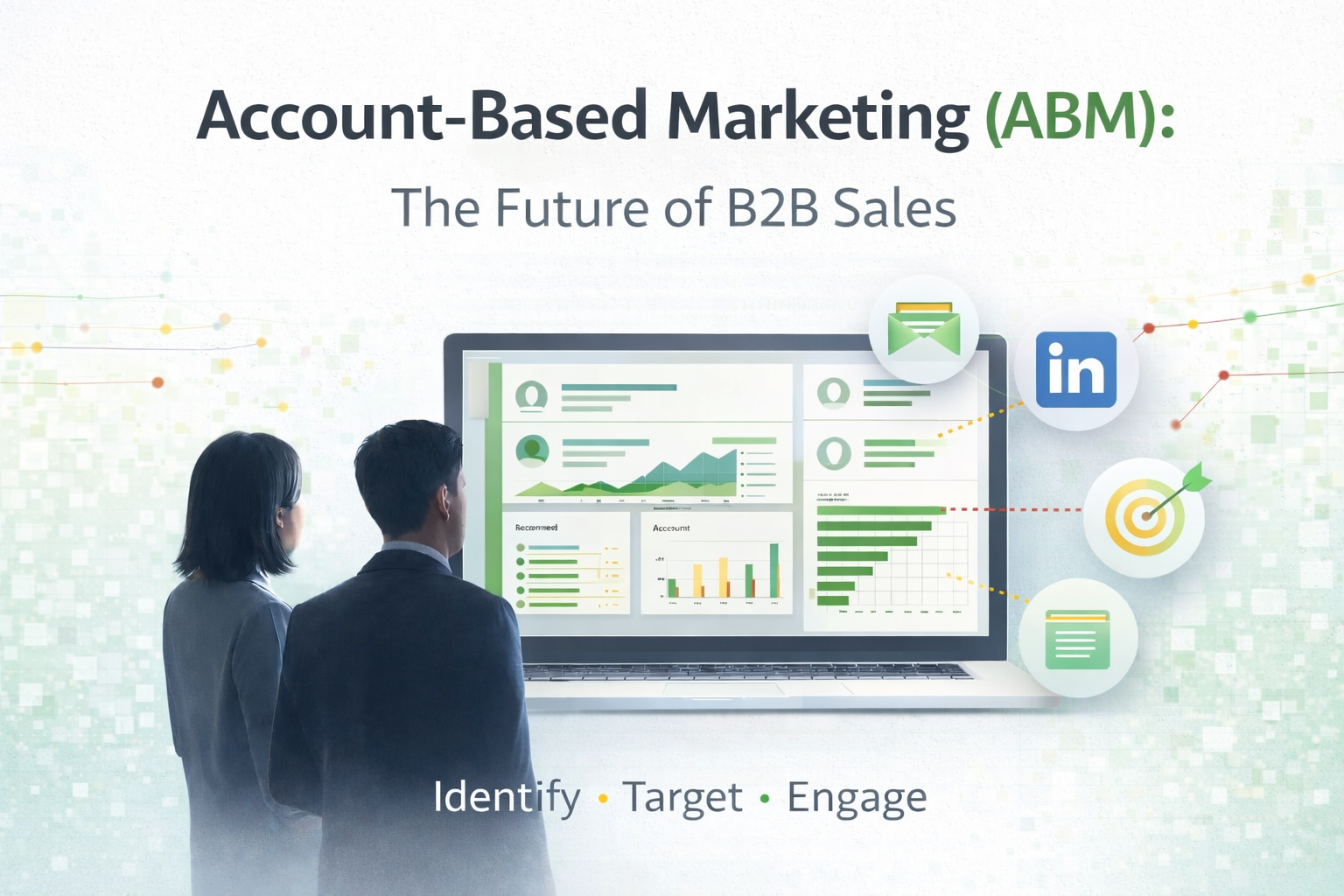
Traditional marketing approaches often fall short because they lack personalization and precision. This is where Account-Based Marketing (ABM) becomes a powerful strategy—enabling VoIP companies to directly engage high-value decision-makers with relevant, targeted messaging.
Why CIOs and IT Heads Are Hard to Reach
CIOs and IT Heads operate at a strategic level, focusing on:
- Long-term technology investments
- Security, compliance, and scalability
- Integration with existing systems
- Business impact and ROI
They are:
- Time-constrained
- Highly informed
- Selective about vendor interactions
Generic campaigns rarely capture their attention. They expect relevance, clarity, and value from the first touchpoint.
What Makes ABM Effective for Targeting IT Leaders
Account-Based Marketing focuses on specific high-value accounts and stakeholders, rather than broad audiences.
For VoIP providers, ABM enables:
- Personalized engagement with decision-makers
- Tailored messaging based on business needs
- Better alignment between marketing and sales
This approach ensures that outreach is highly relevant and context-driven, which is essential when targeting senior IT leaders.
1. Identify High-Value Accounts and Decision-Makers
The first step in ABM is defining target accounts that are most likely to benefit from your solution.
Key criteria include:
- Enterprises with distributed or remote teams
- Companies undergoing digital transformation
- Organizations using legacy communication systems
Within these accounts, focus on roles such as:
- CIOs
- IT Heads and Directors
- Infrastructure and Network Leaders
This ensures your efforts are directed toward those with decision-making authority.
2. Personalize Messaging for Strategic Priorities
CIOs and IT Heads are not interested in generic product features—they care about outcomes.
Your messaging should focus on:
- Improving communication efficiency
- Reducing operational costs
- Enhancing system reliability and uptime
- Ensuring security and compliance
Personalization can include:
- Industry-specific insights
- Custom use cases
- Relevant case studies
This approach positions your solution as a strategic enabler, not just a tool.
3. Use Multi-Channel ABM to Increase Visibility
Reaching senior IT leaders requires a coordinated, multi-channel strategy.
Effective channels include:
- LinkedIn for precise targeting and thought leadership
- Email for personalized communication
- Content syndication for wider reach among relevant audiences
- Retargeting ads to maintain visibility
Consistent messaging across channels increases brand recall and engagement.
4. Leverage Intent Data to Time Engagement
Timing is critical when targeting CIOs and IT Heads.
Intent data helps identify when accounts are:
- Researching VoIP or cloud communication solutions
- Comparing vendors
- Exploring system upgrades
Engaging at this stage ensures your outreach is timely and aligned with their current priorities.
5. Deliver High-Value, Executive-Level Content
Senior IT leaders expect content that is insightful and actionable.
Content that resonates includes:
- Executive briefs and industry reports
- ROI and cost optimization analyses
- Case studies highlighting measurable impact
- Technical overviews with integration details
This type of content supports both strategic evaluation and internal decision-making.
6. Align Sales and Marketing for Personalized Outreach
ABM requires strong collaboration between teams.
This includes:
- Sharing insights on account engagement
- Coordinating outreach strategies
- Personalizing communication based on data
When sales and marketing are aligned, interactions become more relevant and impactful.
7. Focus on Relationship Building, Not Just Conversion
Enterprise deals often take time, especially when engaging senior stakeholders.
ABM helps build long-term relationships by:
- Providing consistent value
- Maintaining regular, relevant communication
- Positioning your brand as a trusted advisor
This increases the likelihood of conversion when the need arises.
8. Measure Success at the Account and Stakeholder Level
ABM success goes beyond lead volume.
Key metrics to track:
- Engagement from CIOs and IT Heads
- Number of stakeholders reached within target accounts
- Meetings and opportunities generated
- Pipeline contribution and deal size
These metrics provide a clearer picture of campaign effectiveness.
Conclusion
Targeting CIOs and IT Heads requires a strategic, personalized approach that goes beyond traditional marketing. Account-Based Marketing enables VoIP providers to engage these decision-makers with precision, relevance, and timing.
By focusing on high-value accounts, delivering tailored messaging, and aligning outreach across channels, businesses can build meaningful relationships and drive enterprise-level growth.
In a competitive market, ABM is not just an advantage—it’s a necessity for reaching and converting senior IT leaders.