

Enterprise construction clients represent some of the most valuable opportunities for construction SaaS companies. These organizations manage large-scale projects, complex operations, and distributed teams, making them ideal candidates for advanced construction management solutions.
However, winning these deals is not easy. Enterprise buyers have longer decision cycles, multiple stakeholders, and higher expectations. This is where Account-Based Marketing (ABM) becomes a powerful strategy to engage, influence, and convert high-value construction accounts.
Why Enterprise Construction Deals Require a Targeted Approach
Enterprise construction companies evaluate solutions based on:
- Project scalability and performance
- Integration with existing systems
- Real-time collaboration capabilities
- Cost efficiency and ROI
The buying process often includes:
- Project Directors
- Operations Heads
- IT and Digital Transformation teams
- Procurement and finance stakeholders
A broad marketing approach fails to address this complexity. A focused, account-level strategy is essential.
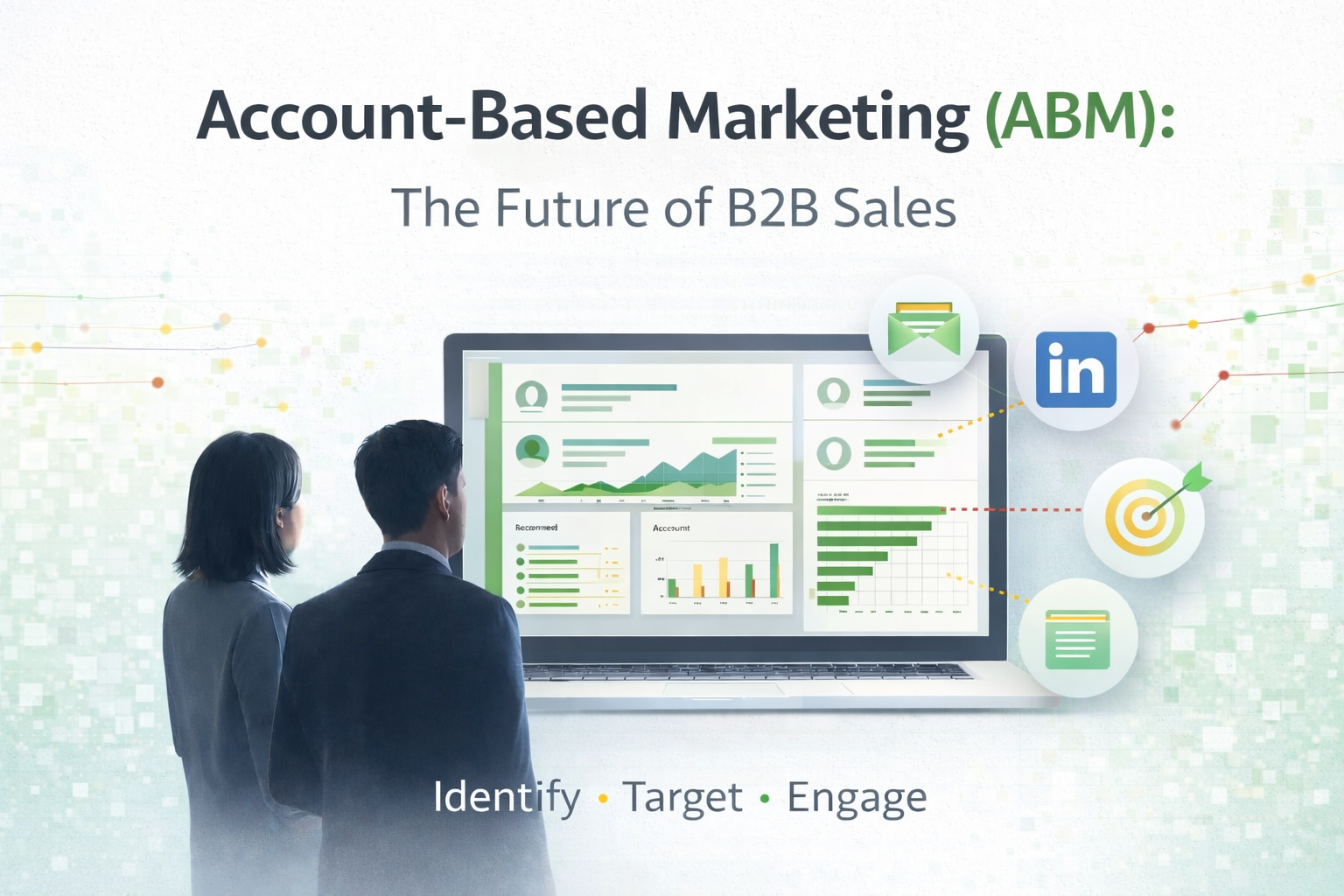
What Is ABM and Why It Works for Construction SaaS
Account-Based Marketing focuses on targeting specific high-value accounts rather than a wide audience.
For construction SaaS companies, ABM helps:
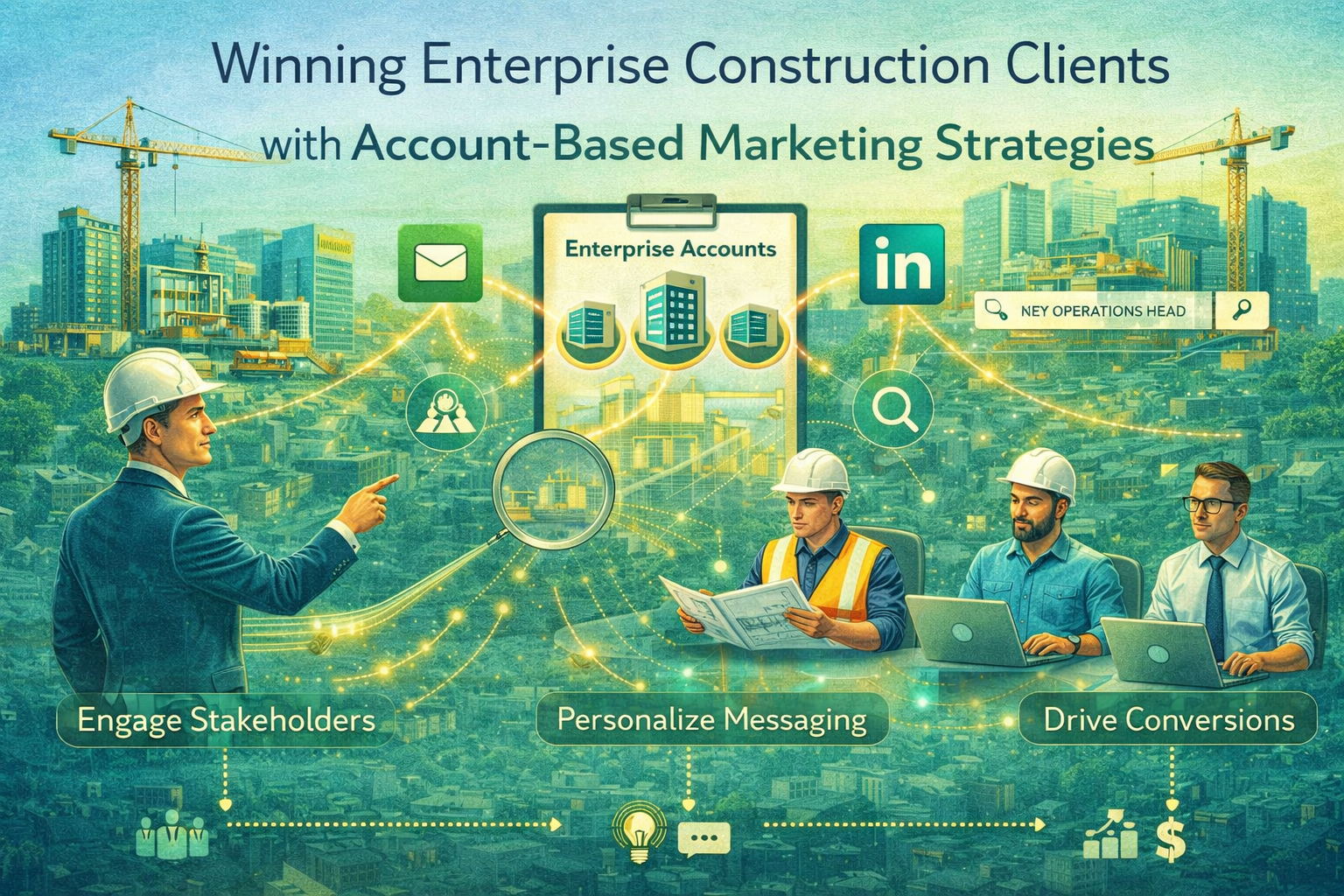
- Engage key stakeholders within enterprise accounts
- Deliver personalized messaging
- Improve deal size and conversion rates
It ensures that efforts are aligned with accounts that have the highest revenue potential.
1. Identify High-Value Enterprise Accounts
The first step in ABM is selecting the right accounts.
Focus on organizations that:
- Handle large infrastructure or real estate projects
- Operate across multiple locations
- Face challenges in project coordination and visibility
- Are adopting digital construction technologies
Using firmographic and technographic data helps prioritize accounts with strong potential.
2. Map Key Stakeholders in Construction Buying Committees
Enterprise construction deals involve multiple decision-makers, each with different priorities:
- Project Directors focus on execution and timelines
- Operations Heads focus on efficiency and resource management
- IT teams focus on integration and system reliability
- Finance teams focus on cost and ROI
Understanding these roles allows for targeted and relevant communication.
3. Personalize Messaging for Construction Challenges
Generic messaging does not resonate with enterprise construction clients.
Your communication should address:
- Delays and project overruns
- Lack of real-time visibility
- Coordination across teams and sites
- Cost control and resource optimization
Personalization can include:
- Industry-specific case studies
- Use cases based on project type
- Tailored value propositions
This makes your outreach more relevant and impactful.
4. Execute Multi-Channel ABM Campaigns
To effectively engage enterprise construction clients, campaigns should span multiple channels:
- LinkedIn for targeting construction leaders and decision-makers
- Email campaigns for personalized communication
- Content syndication for reaching industry audiences
- Retargeting to maintain visibility
A coordinated approach ensures consistent messaging across all touchpoints.
5. Use Intent Data to Engage at the Right Time
Timing plays a crucial role in enterprise deal success.
Intent signals may include:
- Research on construction management software
- Engagement with project management or digital construction content
- Visits to product or comparison pages
Targeting accounts during this phase increases the chances of meaningful engagement.
6. Deliver High-Value Content for Enterprise Buyers
Enterprise construction clients require detailed and practical insights.
Content that performs well includes:
- Case studies showcasing large-scale project success
- ROI and cost-saving analyses
- Implementation and onboarding guides
- Industry-specific reports
This helps stakeholders evaluate solutions and build internal alignment.
7. Align Sales and Marketing for Account Success
ABM requires strong collaboration between teams.
This includes:
- Sharing account-level insights and engagement data
- Coordinating outreach efforts
- Personalizing follow-ups based on interactions
Alignment ensures a seamless experience for prospects and improves conversion rates.
8. Measure ABM Performance at the Account Level
Success in ABM is measured differently than traditional campaigns.
Key metrics include:
- Account engagement levels
- Number of stakeholders reached
- Meetings and opportunities generated
- Pipeline contribution and deal size
These insights help refine strategies and improve results.